

In the rapid world of project execution, the concept of the essential pathway is often viewed as a basic framework for understanding schedules and deliverables. However, what if we consider beyond the details and explore how leadership plays a crucial role in managing this path? Leadership in the Critical Path embodies the intersection of future vision and the ability to encourage teams, guaranteeing that projects not only remain on course but also succeed amidst challenges.
Capable leaders in this field are those who can identify key milestones, anticipate potential obstacles, and inspire their teams to keep their eyes on common aims. By adopting the principles of Critical Path Leadership, individuals can create a cooperative environment where every team member comprehends their contribution in the broader picture. This method is not just about the completion of assignments, but about building a culture of responsibility and tenacity that pushes projects toward achievement.
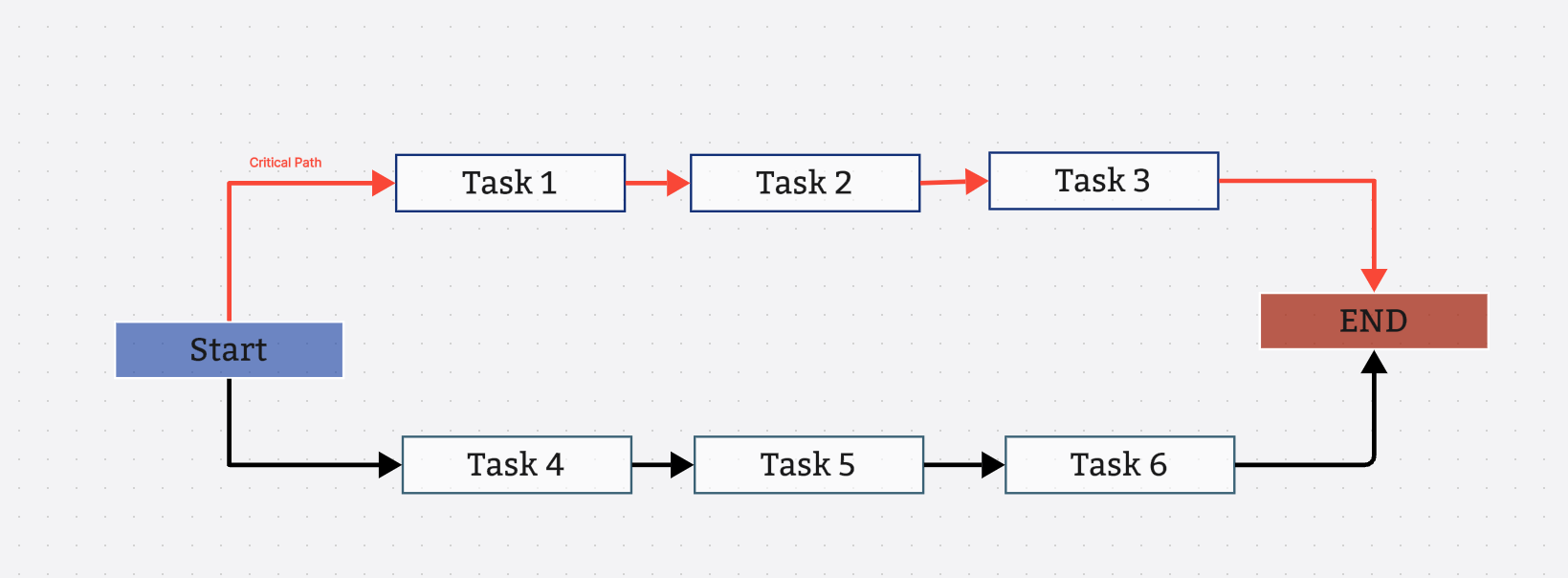
Understanding Critical Path Leadership
This concept of Critical Path Leadership revolves around the idea of identifying and prioritizing the essential objectives that will lead a project to accomplishment. This method highlights the need for leaders to understand which tasks are essential for achieving task aims and managing assets effectively. By concentrating on these critical activities, managers can overcome challenges, assign resources more efficiently, and guarantee that timelines are met, in the end boosting staff efficiency.
Successful Critical Path Leadership demands strong tactical thinking and analytical skills. Leaders must evaluate the relationships between tasks and identify which factors are interdependent. This enables them to create a concise roadmap that details the crucial actions to be taken. By steering their teams through this method, leaders support sustain focus and progress, avoiding interferences that can disrupt task objectives.
In addition, Critical Path Leadership supports transparent discourse and cooperation among team members. Leaders should create an atmosphere where team contributors feel empowered to share ideas and challenges related to their tasks. By doing so, leaders can recognize possible challenges early and manage them proactively, confirming that the team remains cohesive and able of navigating the complexities of their projects. This collaborative ethos not only promotes accomplishment but also cultivates a strong team that excels in a fast-paced work context.
Essential Tenets of Successful Leadership
Impactful leadership requires a definite vision that establishes the direction for the team. Leaders should share this vision in a way that motivates others and coordinates their efforts towards shared goals. When everyone understands the end goal and their role in achieving it, inspiration increases, and the likelihood of success grows. A capable leader continuously strengthens this vision, making sure that it remains a guiding light for decision-making and actions within the organization.
Another essential principle is adaptability. The business environment is often dynamic and uncertain, which means leaders must be adaptable and responsive to change. This involves being open to new ideas, embracing creativity, and modifying strategies when required. Effective leaders promote a culture of adaptability within their teams, developing resilience and the ability to shift when challenges arise. This principle enables leaders to manage potential pitfalls on the critical path more effectively.
Ultimately, impactful leadership is built on confidence and cooperation. Leaders who prioritize building effective relationships within their teams create an atmosphere where individuals feel valued and supported. This trust promotes clear communication, where team members are more likely to share ideas and concerns. Cooperative environments often lead to better resolution and innovation, directly impacting the success of the organization's goals. By cultivating a culture of trust and teamwork, leaders can ensure that all team members are invested in the key path towards achieving their goals.
Applying Leadership Techniques Tactics in Practice
Effective leadership needs a proactive approach to strategy deployment. To adopt CPL methods, leaders must first determine the key targets and synchronize their team with these goals. This might be realized through transparent communication where leaders explicitly describe the goal and objectives. Engaging team members in conversations about their contributions in achieving these goals fosters a spirit of stakeholding and dedication. Regular meetings and reports keep the team on track and informed about advancements on priority tasks.
Next, leaders ought to leverage resources and strategies that optimize operations and prioritize tasks based on their contribution on broad goals. Using project management systems can help in visualizing the key trajectory and ensuring that resources are sufficiently assigned to the most crucial activities. By building an environment of collaboration and encouraging team members to exchange insights, potential obstacles can be recognized early, allowing for prompt adjustments to plans. This flexibility ensures that the team keeps on course to achieve its objectives.
Finally, evaluating the outcomes is vital for sustained development. After completing small business management consulting Topanga or achieving significant milestones, leaders need to conduct retrospectives with their team to review what practices succeeded and what could be modified for subsequent initiatives. This thoughtful practice not only enhances team dynamics but also strengthens the decision-making for the next steps. By integrating feedback into the leadership approach, this leadership model becomes a process of growth and adaptation, ultimately driving better results and fostering a high-achieving culture.